

When Someone Famous Dies: Understanding Parasocial Grief and Why It Hurts

When Someone Famous Dies, Why Does It Hurt?
Why can the death of someone we’ve never met feel like a personal loss?
When George Michael died, I didn't expect to cry. But I did.
His music was the soundtrack to my youth. His album Older felt like a secret handshake. His complex honesty giving shape to feelings I didn't yet have words for. He was fiercely unapologetic, fighting oppression with creativity and sheer talent—all things I desperately wanted to identify with.
This is called parasocial grief. But the real question is, how does a stranger earn such a place in our inner world?
Whose voice was your companion during your bleakest hours? For me, it was his. A voice of solace through a CD player. A feeling of community at his concert, singing with a crowd that felt like a tribe.
This goes beyond fandom. We choose these figures because their art gives voice to our most unspoken parts. We feel they are "ours" because they make us feel seen.
Psychoanalysis calls this "introjection." We absorb their perspective into our inner world until it becomes a room in the house of your mind—a place you could always visit for understanding.
When they die, that room goes dark. The grief is for that internal space. Now silent. Now homeless.
So we mourn more than a person. We mourn a compass that helped navigate our identity. We grieve for the younger self who found refuge in their art, and for the part of us that felt uniquely understood.
I wonder if that is why this grief is so real. It mirrors our deepest longing for connection.
And perhaps, in grieving them, we learn to thank—and finally claim—the parts of ourselves they helped us find.
We take the projection back.
And that, in the end, feels like its own kind of healing.
If you found this post helpful, feel free to share it with someone who might benefit!
Warmly,
George Chan
This Is How We Heal
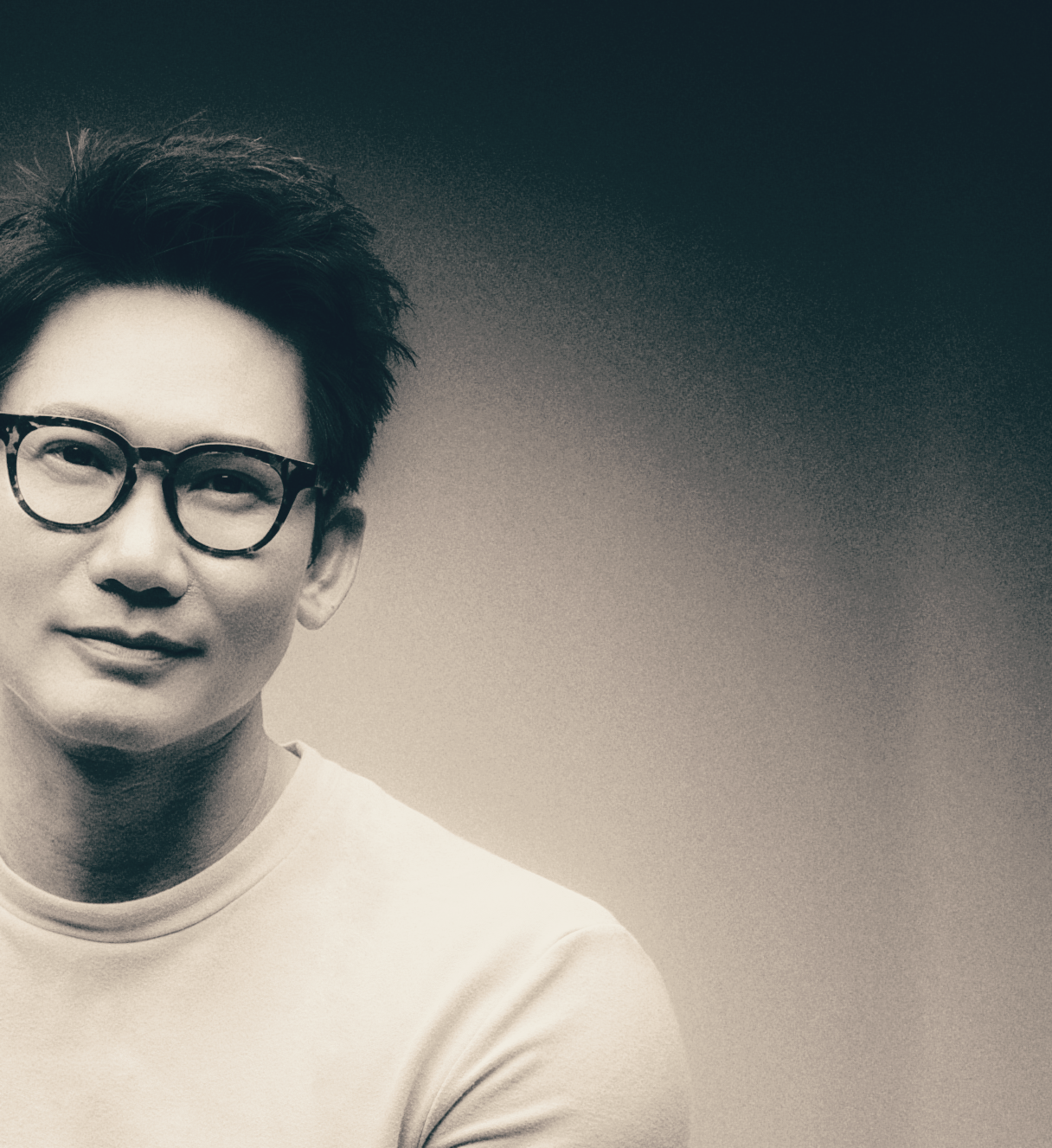
George Chan, MCOU, is a Counsellor, Grief Educator and Breathwork Coach who specialises in helping individuals navigate grief and loss through his private practice, This Is How We Heal. With a rich background in theatre and entertainment, George brings creativity and empathy to his work. When he's not in the therapy room, you might find him performing, choreographing, or working on a new production—or spending time with Luna, his Jack Russell Terrier, who doubles as his unofficial co-therapist and production critic.