

The Architecture of Hurt: How Childhood Wounds Build Walls
Do Your Walls Protect You or Imprison You?
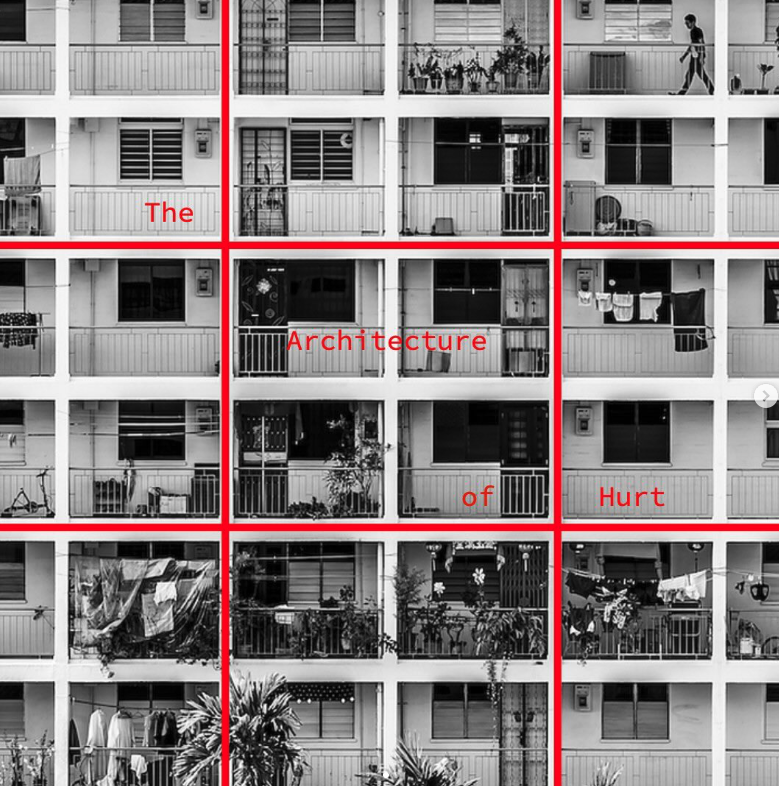
As a child, I would often draw houses—elaborate fortresses with defences, secret rooms, and trap doors for escape. I didn’t know it then, but those drawings were more than just my imaginative mind. They were an extension of me coping with the chaos around me: parents fighting, the shadow of poverty, the loss of innocence, the constant threats that made the world feel unsafe.
As an adult, I still build fortresses. I’ve become a master of creating the “right distance,” a careful balance that keeps me safe. But the moment someone feels too close, the rule changes. Love begins to feel threatening, like a demand I can’t meet.
Childhood wounds shape us. They teach us to survive, to protect ourselves. But as I’ve grown as a person, I’ve realised that survival is not the same as living. The walls that once kept me safe now imprisons me.
Healing, for me, has been about noticing these patterns, learning to sit with the fear of vulnerability, and daring to believe that love doesn’t have to be a threat. It can be a wonderful gift—not a demand to be perfect, but an invitation to be seen.
This, is how we heal.
If you found this post helpful, feel free to share it with someone who might benefit!
Warmly,
George Chan
This Is How We Heal

George Chan, MCOU, is a Counsellor, Grief Educator and Breathwork Coach who specialises in helping individuals navigate grief and loss through his private practice, This Is How We Heal. With a rich background in theatre and entertainment, George brings creativity and empathy to his work. When he's not in the therapy room, you might find him performing, choreographing, or working on a new production—or spending time with Luna, his Jack Russell Terrier, who doubles as his unofficial co-therapist and production critic.