

Shake: How the Body Finishes a Stress Response
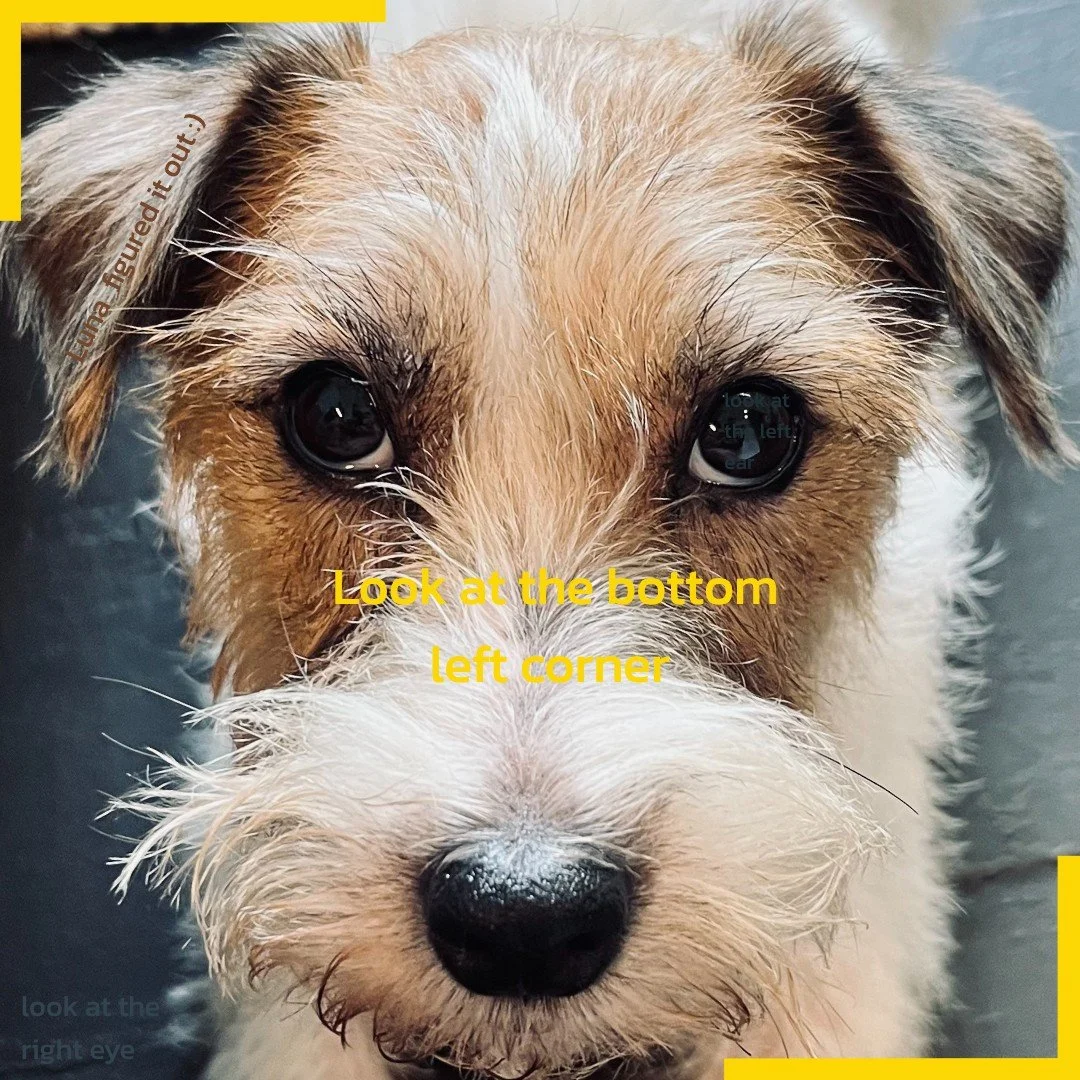
Luna responds to the word “shake.”
It’s not a party trick or some impressive obedience thingy. No treats involved. It’s just a cue I have learned to use with her (Luna: WHAT??!).
When Luna meets a much bigger dog, she often barks. Fair enough. Some of these dogs are easily five times her size. I’d bark too if I were her. The dog moves away, the moment passes. And I can see she’s still holding the encounter in her body — tucked ears, flat tail, the alertness that hasn’t settle.
That’s when I’ll gently say, “shake.”
And she does.
A committed, full-body shake. Once, sometimes twice. And then she’s all good again.
I’ve studied the nervous system for years, so this is not new information to me. But seeing it play out so clearly right in front of me, still fascinating.
Years ago, at a psychotherapy symposium, a presenter showed a video of an injured gazelle after a brutal attack. Its body collapses into shock, limp and unresponsive. After a while, it comes back to consciousness. And before it even tries to stand or run, it does something quite extraordinary. Something no one had to teach it.
It shakes.
Not lightly. But a full body tremor.
Only after that does it stand up and skip away.
I used to think that kind of shaking was fear. It isn’t. It’s regulation.
Across mammals, the nervous system releases stress through physical discharge — shaking, trembling, small involuntary movements. It’s how the body completes a stress response and returns toward a balance.
Now here’s where it gets really interesting. Many humans go through intense moments but never get to complete that cycle. Breath held. Tension. We tell ourselves to calm down, be strong, push forward. We deny the sensations. So the energy has nowhere to go but remain in the body.
Years later, therapy sometimes isn’t about revisiting the story again and again. It’s about helping the body finally finish what it wanted to do back then — through somatic work, movement, breath, or even gentle tremor.
Dogs don’t need any of that explanation. They just shake.
Humans do it too, maybe more subtlety. A leg that shakes. Hands that tremble after a difficult conversation. That instinct to “shake it out” when something intense has passed.
Nothing is wrong in those moments. In fact, something very intelligent might be happening.
Luna doesn’t analyse what happened or carry it into the next walk. She responds to a cue, lets her body do what it already knows how to do, and moves on.
So could it be that healing isn’t about understanding more, but about letting the body finish its sentence?
And perhaps, regulation can look exactly like this:
Shake.
If you found this post helpful, feel free to share it with someone who might benefit!
Warmly,
George Chan
This Is How We Heal
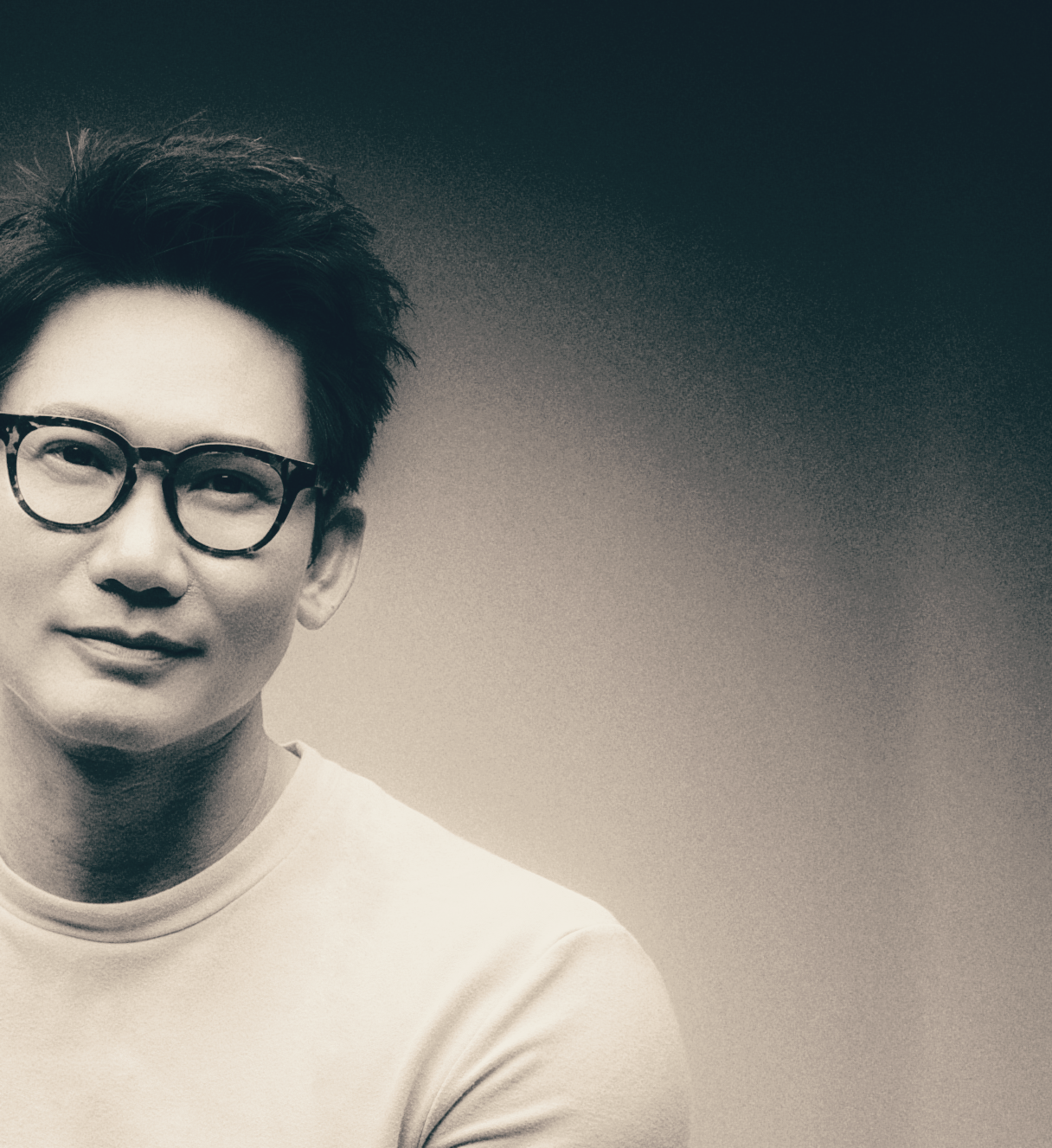
George Chan, MCOU, is a Counsellor, Grief Educator and Breathwork Coach who specialises in helping individuals navigate grief and loss through his private practice, This Is How We Heal. With a rich background in theatre and entertainment, George brings creativity and empathy to his work. When he's not in the therapy room, you might find him performing, choreographing, or working on a new production—or spending time with Luna, his Jack Russell Terrier, who doubles as his unofficial co-therapist and production critic.