

Beyond Addiction: What Gabor Maté Teaches Us About Pain, Survival & Healing
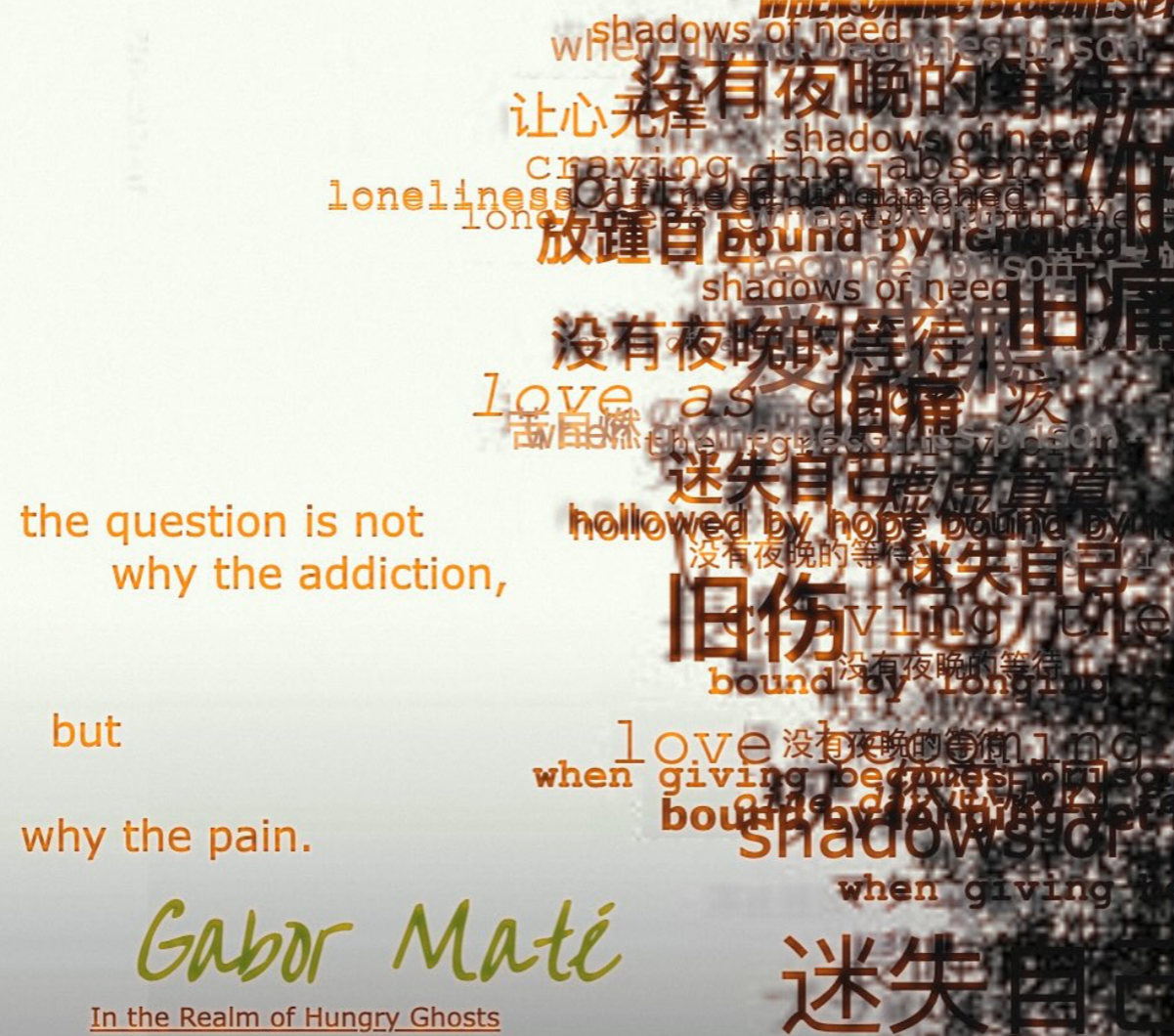
“The question is not why the addiction, but why the pain.”
— Gabor Maté, In the Realm of Hungry Ghosts
One of the first books that truly shook me, not just as a therapist-in-training, but as a human, was Gabor Maté’s In the Realm of Hungry Ghosts. A must read for all mental health practitioners in my opinion. It’s a book about addiction, yes, but more than that, it’s a book about compassion. About the pain we try to outrun. The ways we become hungry ghosts, searching not for a substance, but for a moment of relief.
We’re all just searching for relief, aren’t we?
From the ache. From the chatter in our mind. From the load of our own stories.
Sometimes we call this search “addiction.”
Other times, we call it “burnout,” or “reward,” or being a “workaholic,” or needing “control.”
Different names for the same human need: to escape the unbearable.
Maté writes about this, where your body stops shouting and simply shuts down.
The amygdala, the alarm bell of the brain, goes quiet.
You stop responding to danger. But you also stop responding to joy.
You go cold. You go flat. You’re just surviving.
You’re in the room, but existing in a glass box.
I reflect about this in my own life.
How easy it is for others to mistake stillness for strength.
How my own self-worth has hidden beneath layers of doing, fixing, achieving.
How I, too, have disappeared into surviving.
Not weakness.
Just the brilliance of the nervous system protecting what it can.
The cost?
You survive — by silencing everything.
So if surviving meant turning down the volume on your aliveness…
Is that still call living?
No solid answers here.
Just a thought I offer myself this morning:
We begin to heal the moment we stop asking ourselves “What’s wrong with me?”, and start asking, “What happened to me?”
If you found this post helpful, feel free to share it with someone who might benefit!
Warmly,
George Chan
This Is How We Heal
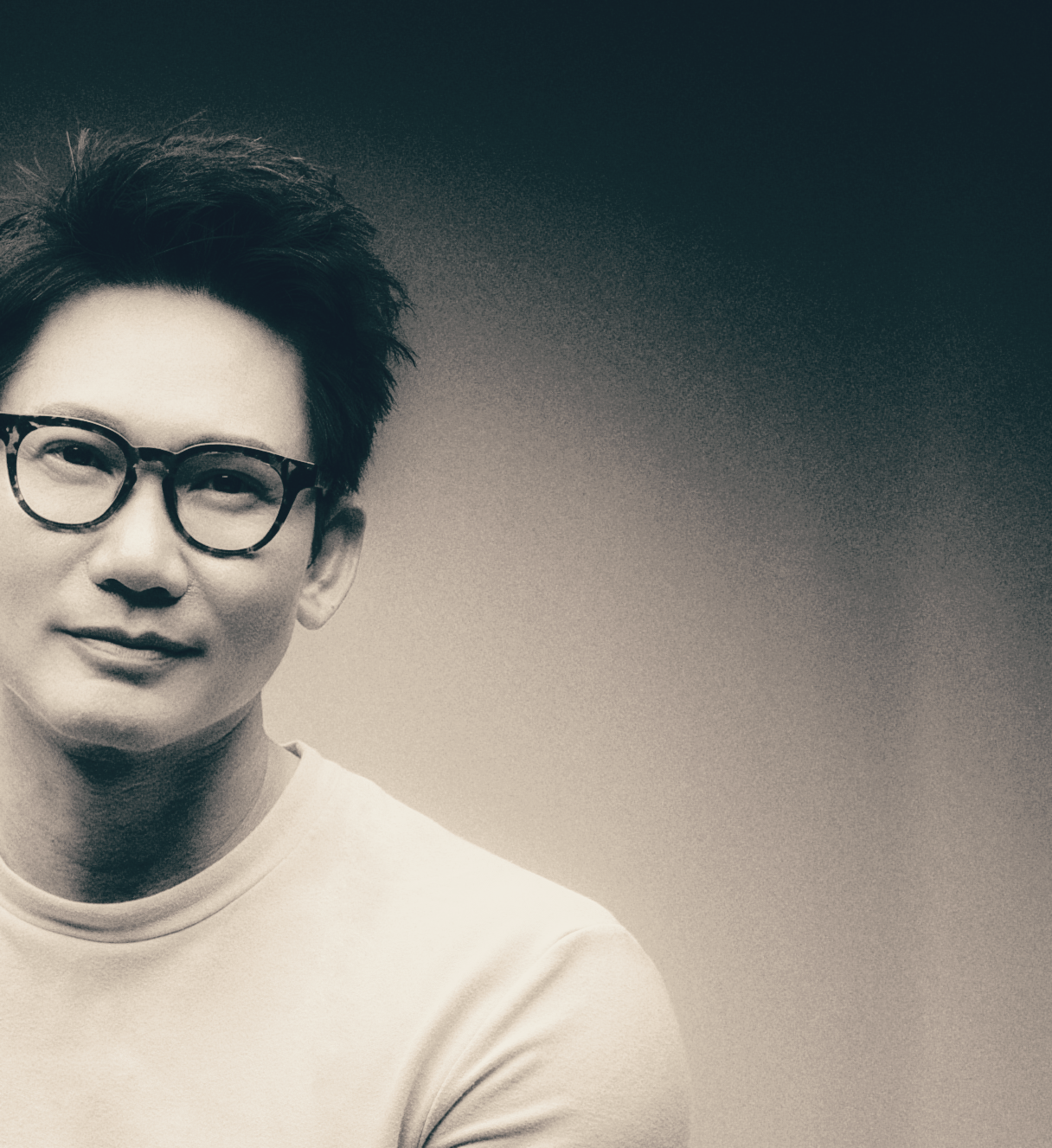
George Chan, MCOU, is a Counsellor, Grief Educator and Breathwork Coach who specialises in helping individuals navigate grief and loss through his private practice, This Is How We Heal. With a rich background in theatre and entertainment, George brings creativity and empathy to his work. When he's not in the therapy room, you might find him performing, choreographing, or working on a new production—or spending time with Luna, his Jack Russell Terrier, who doubles as his unofficial co-therapist and production critic.