

Are Counsellors Actually Kinder People?
A few weeks ago, in an interview, I was asked whether becoming a counsellor had made me a kinder person. I remember biting my lip.
Interesting assumption, isn’t it?
That this work slowly morphs you into a more patient, gentler human being.
That somewhere along the way you become… kinder.
I was confronted with that question again last Sunday.
Orchard Road. Late morning.
My speedy legs n I were trying to cut through the underpass to make it to my spin class on time. Because, you know, the early bird chopes the best bike.
I reach that dreaded junction where several streams of people meet, and suddenly the entire human river slows to a crawl. People tar-inch forward with phones glued to their faces.
I cannot.
In theory, all my counselling tools are available to me in that moment.
Cognitive reframing.
Defusion.
Somatic tracking
Parts work
“Name it to Tame it”
But reality is, my eyes roll so far back they almost see Sentosa.
My impatience on full public broadcast mode.
Singa the Kindness Lion would probably meow in disapproval.
So between the eye-roll and the slow shuffle forward, I thought about this ongoing work of kindness.
The idea of kindness, and where we place it.
Because kindness to strangers isn’t actually the real test of our character.
Strangers are easy.
The real test of kindness happens much closer to home.
With the people who know exactly where the tender spots are.
A spouse.
A parent.
A sibling.
A child.
They carry our history.
They activate our wounds.
They mirror back the parts of us we’ve spent years trying to move past.
Strangers meet our manners.
The people closest to us..they meet everything else.
With strangers, the stakes are low.
Which means, technically,
Orchard Road should be the easy level.
You would think.
If you found this post helpful, feel free to share it with someone who might benefit!
Warmly,
George Chan
This Is How We Heal
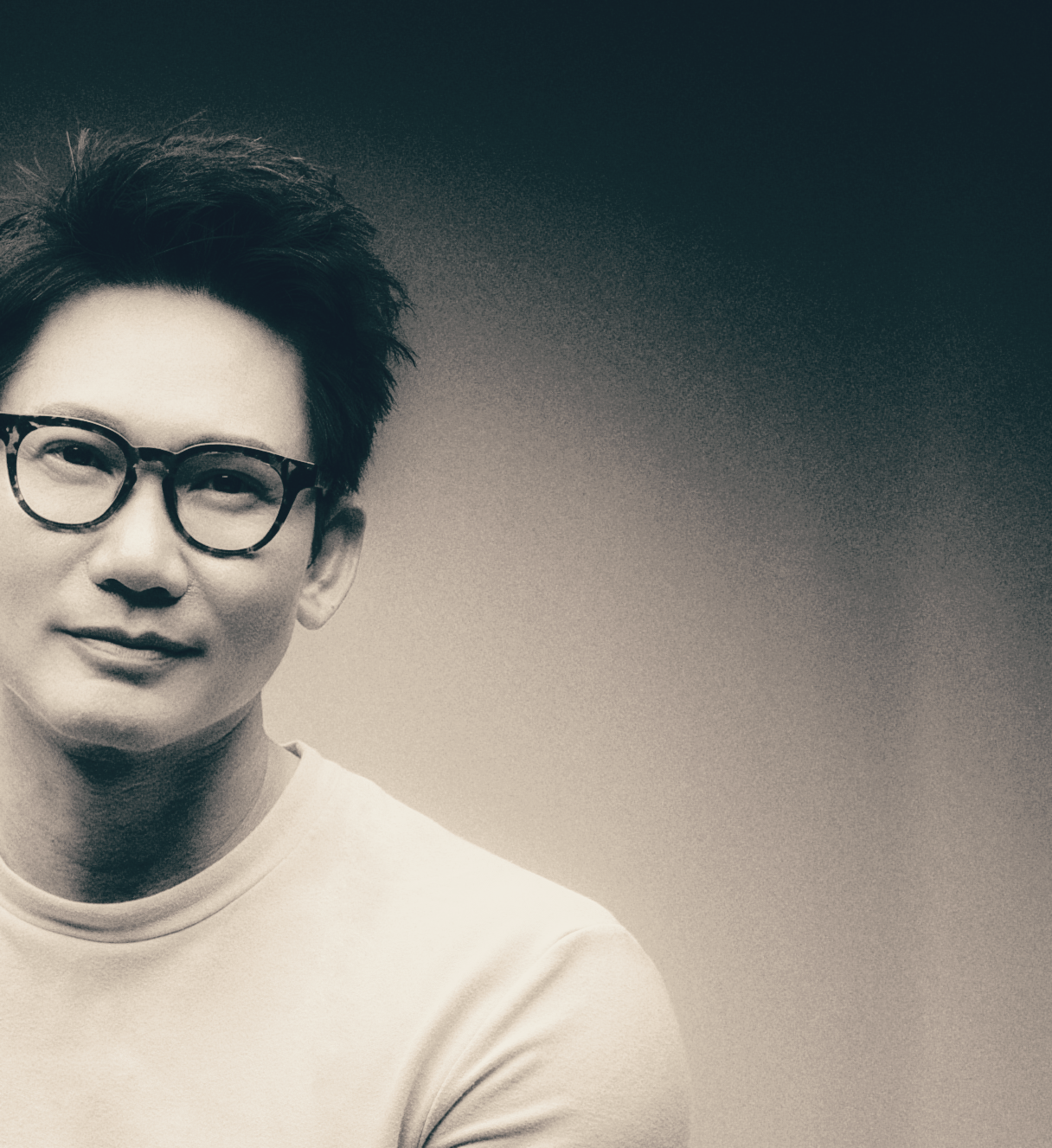
George Chan, MCOU, is a Counsellor, Grief Educator and Breathwork Coach who specialises in helping individuals navigate grief and loss through his private practice, This Is How We Heal. With a rich background in theatre and entertainment, George brings creativity and empathy to his work. When he's not in the therapy room, you might find him performing, choreographing, or working on a new production—or spending time with Luna, his Jack Russell Terrier, who doubles as his unofficial co-therapist and production critic.