

When the Mind Forgets..What Takes Over?
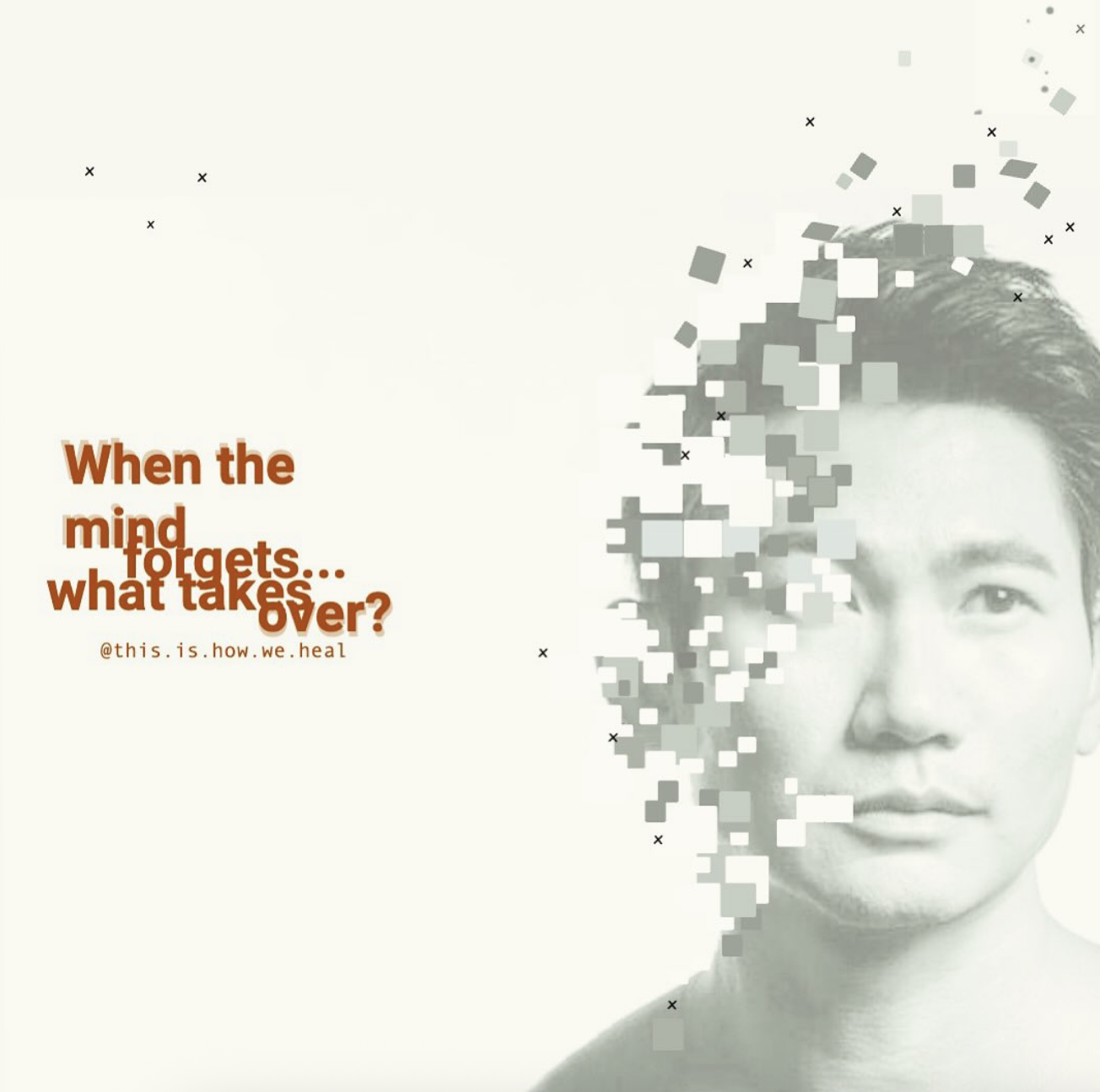
When the Mind Forgets, the Soul Invents
When I entered my fifties, the fear of cognitive decline drew close.
Both my parents had lived through shades of it, and I sometimes say it with a laugh, but part of me believed it: that I’d get it too.
About a decade ago, I began to notice small slips — forgetting my locker number at the gym, struggling to recall choreography I had created minutes ago. Then one day, while in line for a taxi, I got in and couldn’t summon my own address.
Blank. Suspension. Doom.
That sent me on a year-long appointments with specialists, trying to name what was happening inside my brain.
Fortunately, part of my father’s DNA taught me to hold things lightly. Even in the face of catastrophes, I always find humour. That lightness found new ways to anchor memory: writing instead of typing, sketching things on paper, marking my days in colour, pottery and painting, linking names to images, sounds, and the occasional ridiculous object.
Science tells us the hippocampus is the seat of memory, the amygdala carries emotion, and together they shape what stays with us. But what the books don’t say is this: memory isn’t only a function of the brain. It is shaped in our stories, our rituals, the people who remind us of who we are.
Irvin Yalom — one of the great existential therapists and writers, still counsels at the age of 90. He forgets names, theories, client histories. So he stays present. He adapts by seeing each client for just one session.
When the mind falters, create a system that works for you. Who says we must live within the lines we once drew?
This past year has surprised me with a sharper clarity—mentally, spiritually. Staying creative has been my north star. Theatre, writing, even piecing together these weekly posts has become less about “sharing” and more about making something with my hands and heart.
Memories slip; they toy and play hide and seek. But some quiet days, they return like an old song. You don’t know where you learned it, but somehow, you still remember every word — and you dance to it, clumsy and alive, the way all remembering is.
If you found this post helpful, feel free to share it with someone who might benefit!
Warmly,
George Chan
This Is How We Heal

George Chan, MCOU, is a Counsellor, Grief Educator and Breathwork Coach who specialises in helping individuals navigate grief and loss through his private practice, This Is How We Heal. With a rich background in theatre and entertainment, George brings creativity and empathy to his work. When he's not in the therapy room, you might find him directing, choreographing, or working on a new production—or spending time with Luna, his Jack Russell Terrier, who doubles as his unofficial co-therapist and production critic.