

What Bob Fosse Taught Me About Grief: Holding the Unholdable
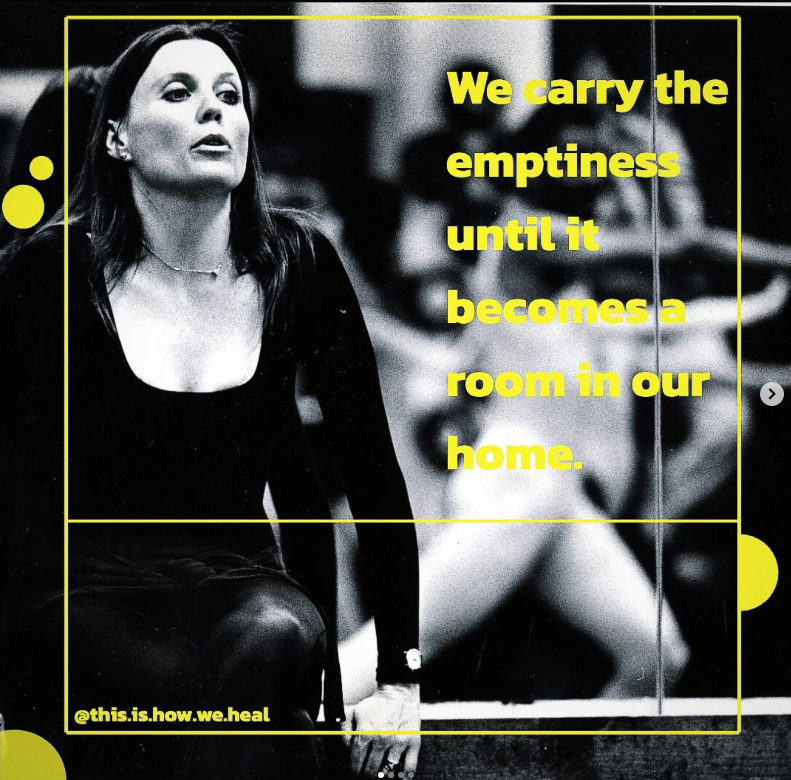
We Carry The Emptiness Until It Becomes a Room In Our Home
In my late 20s, I spent a whole year inside the sensual, sequined world of Chicago the Musical. Those early rehearsals with the legendary Ann Reinking herself? Damn, what a gift that was.
Ann, with her impossible legs and even bigger heart, would stop rehearsals to adjust the angle of a wrist, the curl of a finger. "It's not a fist," demonstrating that iconic Fosse hand—palm cupped like you're cradling someone's cheek after they've cried. "Not grabbing, but presenting.”
In Act One, I opened the show in a whirlwind prologue that built to a frenzy. My role was called The Spirit of Bob Fosse. For a year, I lived in that space—leading with intensity, yet holding with lightness.
Decades later, my body still remembers.
A client sat across from me, his breath jagged with loss. My hands found that familiar shape without thinking. Palm up, fingers soft, as I said: "Picture a feather resting there. Not clutching. Not blowing away. Just letting it be."
Turns out Fosse wasn't just teaching me how to dance. He was probably teaching me how to live with the things that can't be held but won't be dropped.
So you learn to move with the weight.
Grief's like that. It demands you hold the impossible: the love, the absence, the anger, the gratitude, all in one open hand.
Grief does not get smaller over time. You widen.
(And if you ever saw Ann Reinking demonstrate her signature moves—the cocked elbow, the collapsed shoulder, the turned-in knee, the defiant slouch—you’ll know: some kinds of broken can still take your breath away.)
If you found this post helpful, feel free to share it with someone who might benefit!
Warmly,
George Chan
This Is How We Heal
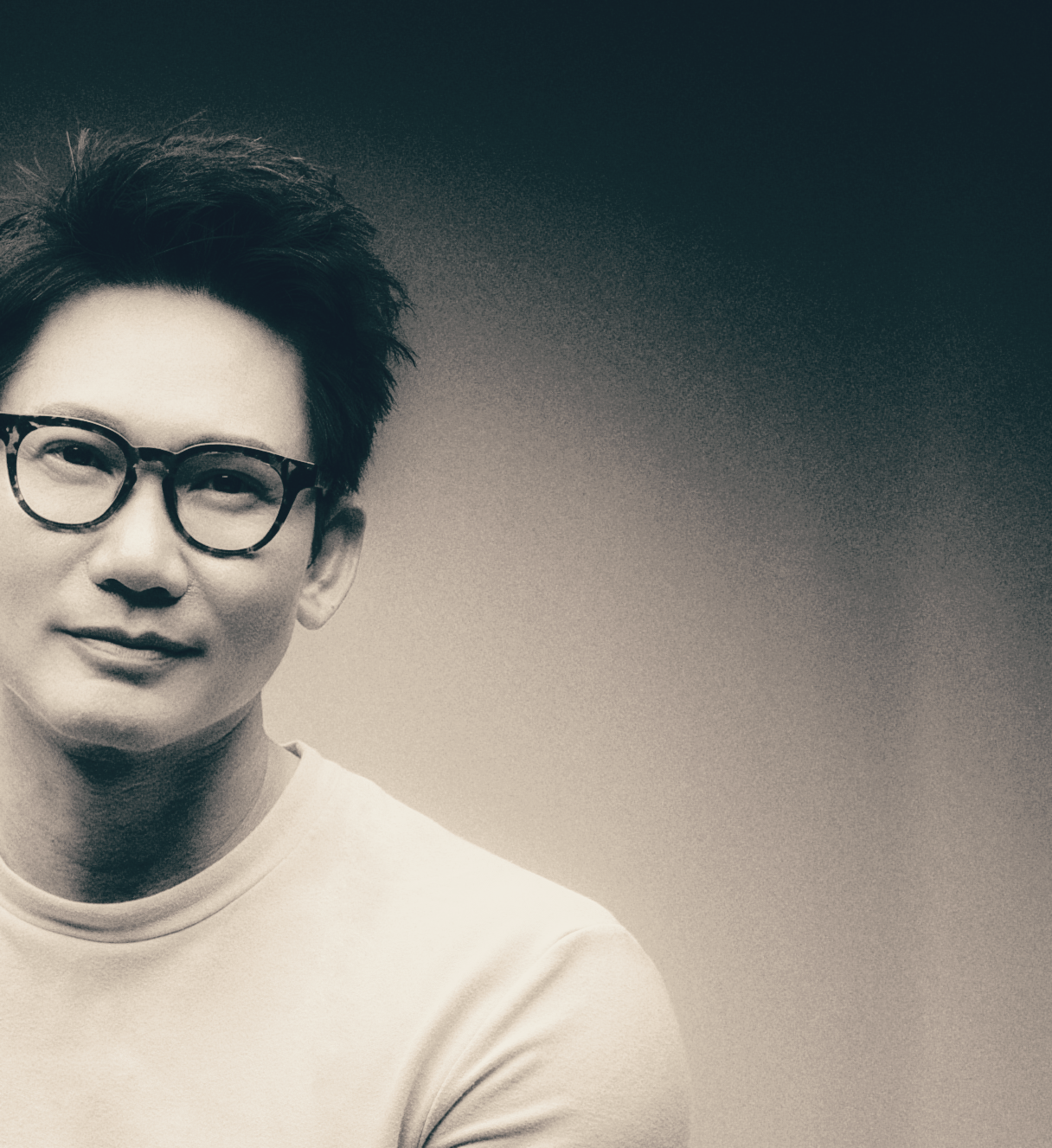
George Chan, MCOU, is a Counsellor, Grief Educator and Breathwork Coach who specialises in helping individuals navigate grief and loss through his private practice, This Is How We Heal. With a rich background in theatre and entertainment, George brings creativity and empathy to his work. When he's not in the therapy room, you might find him performing, choreographing, or working on a new production—or spending time with Luna, his Jack Russell Terrier, who doubles as his unofficial co-therapist and production critic.