

The Light Has to Want You Back
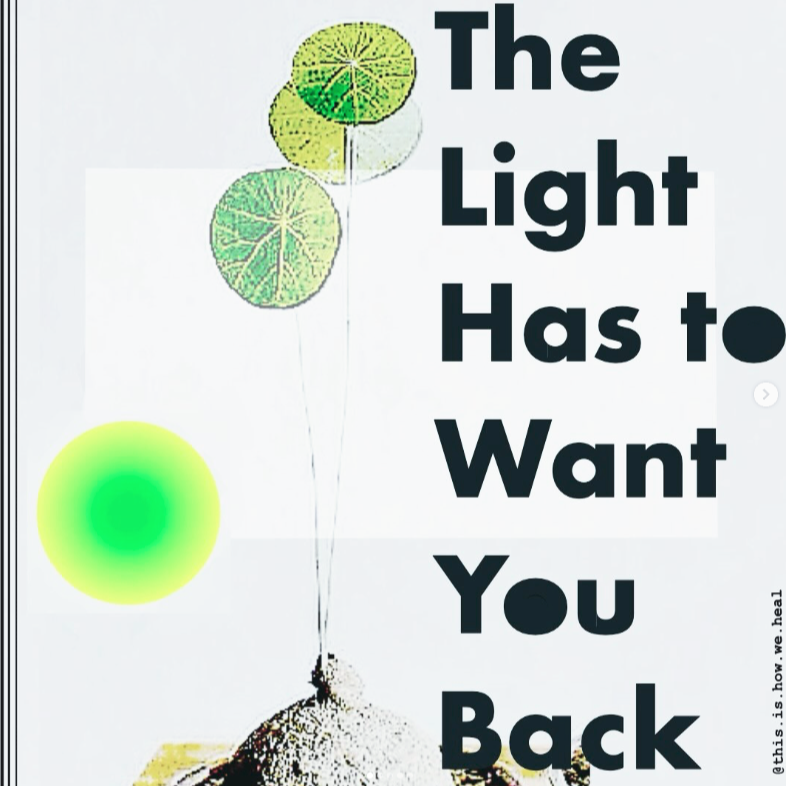
I’ve always said I have green fingers.
I’ve got about 80 house plants crowding my windowsill and floor. Some have sent their veins and roots dancing up my walls, and I gladly let them.
But none have tested my patience quite like my Stephania Erecta.
It arrived looking like a hard potato.
Google said it might sprout in weeks.
Mine stayed stubbornly dormant for three whole months, doing absolutely nothing.
I talked to it most mornings, trying to persuade it into life. Meanwhile, Luna, my dog, squirms like she couldn’t believe she was being upstaged by a potato.
Then one insignificant morning, my Stephania finally emerged — fierce, bold and glorious.
Watching it reminded me of Carl Rogers.
Rogers was often called the father of person-centred therapy — the guy all counsellors get baptised by in their first weeks of training.
He famously wrote about how even potatoes stored in a dark cellar still send out pale shoots, stretching toward any sliver of light.
It’s a story every therapist knows. A beautiful reminder that life has an instinct to grow, even in the worst conditions.
But there’s a difference between textbook wisdom and what you learn after running your own private practice — after sitting with people as they talk, cry, go silent, or try to make sense of pain.
I’ve learned that reaching for the light assumes you believe the light wants you back.
Many people live in cellars not because they love the dark — but because the light has burned them before.
My Stephania waited months underground.
Perhaps it wasn’t just waiting for the light— but weighing whether it could risk wanting it again.
If you found this post helpful, feel free to share it with someone who might benefit!
Warmly,
George Chan
This Is How We Heal
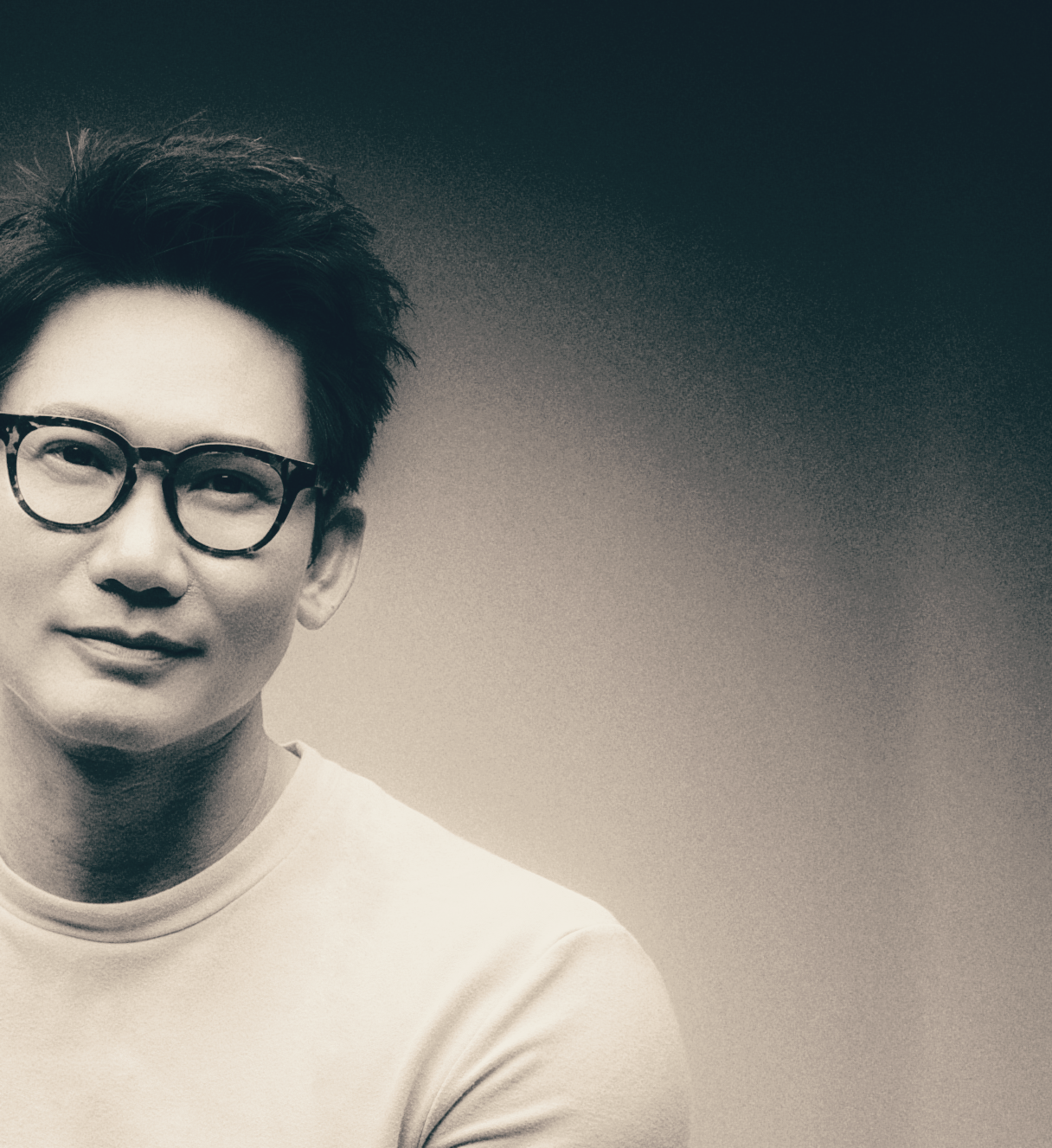
George Chan, MCOU, is a Counsellor, Grief Educator and Breathwork Coach who specialises in helping individuals navigate grief and loss through his private practice, This Is How We Heal. With a rich background in theatre and entertainment, George brings creativity and empathy to his work. When he's not in the therapy room, you might find him performing, choreographing, or working on a new production—or spending time with Luna, his Jack Russell Terrier, who doubles as his unofficial co-therapist and production critic.