

English vs Mandarin in Therapy: How Language Reveals Different Parts of Us
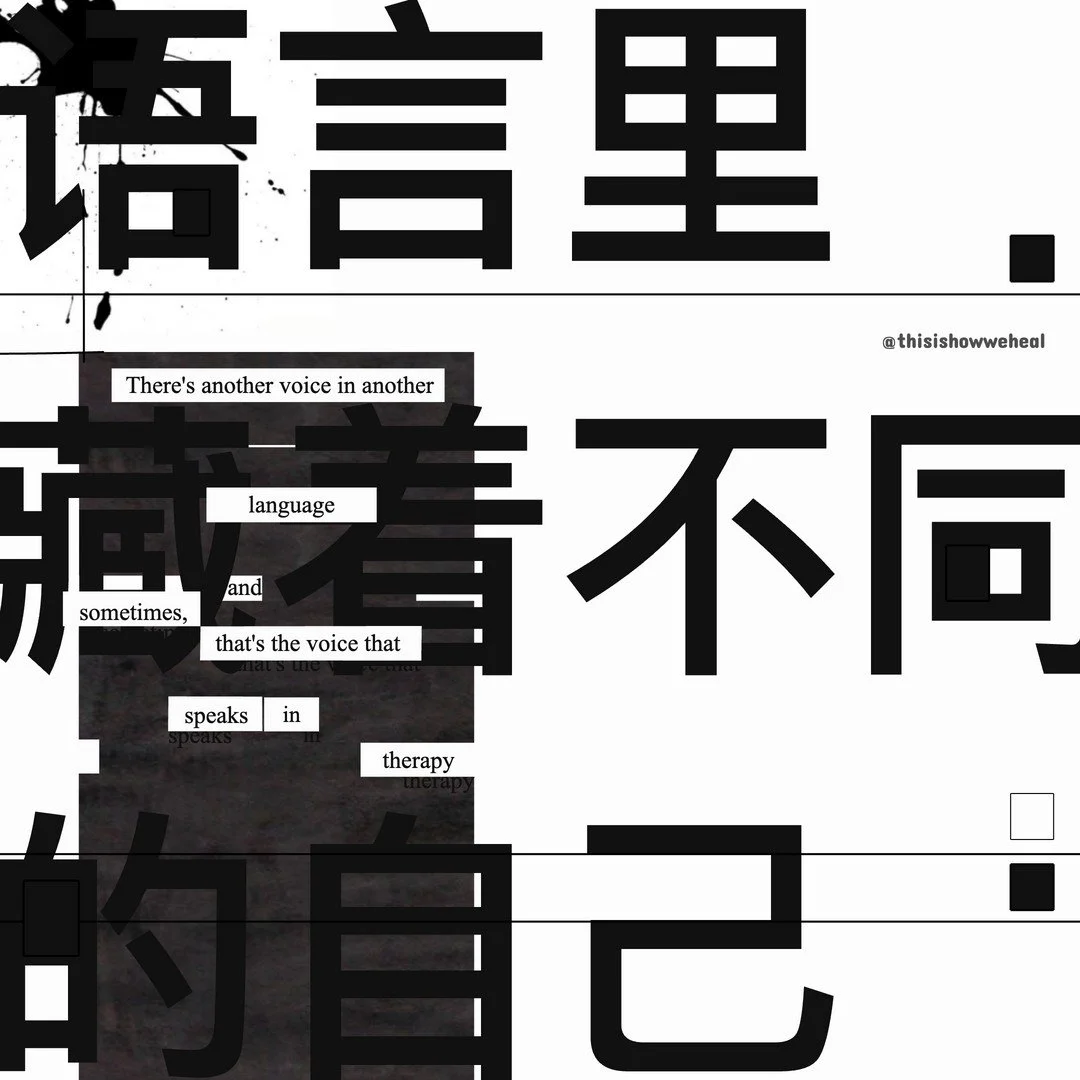
As a therapist, I was trained in English. All the theories I learnt. The way I frame questions. Even how I understood experiences. But recently, working with more Mandarin-speaking clients, I’ve been seeing something quite interesting.
When clients speaks in English, they show up a certain way. But when they switch to Mandarin… it’s like another part of them steps in. The pace changes. The tone shifts. Sometimes, it feels closer to something.
It took me back to my own experience. Years ago in Macau, I saw a Cantonese-speaking therapist. We started in English… and somehow 30 minutes in, we were both speaking Cantonese like that was always the plan. Most of my childhood was in Cantonese. So when I started talking about moments of memories I wasn’t just describing what happened. I could hear the words coming out of me… And I sound different. Like vacuum.
I felt like I was back there.
Eight years old.
In the room.
Feeling it as it was.
Now I see it in my sessions. A client might say in English, “I think I’m okay.” Then a pause… switch to Mandarin… “我真的很心痛…”
Something opens.
In therapy, especially with bilingual clients, I almost always move between languages. Not just to find better words, but to find the version of ourselves that can actually speak.
I’m starting to think therapy isn’t just about listening carefully. It’s about listening across worlds. Not only to understand what is being said but to help translate between the different selves a person carries within them.
Not just language.
Worlds.
If you found this post helpful, feel free to share it with someone who might benefit!
Warmly,
George Chan
This Is How We Heal
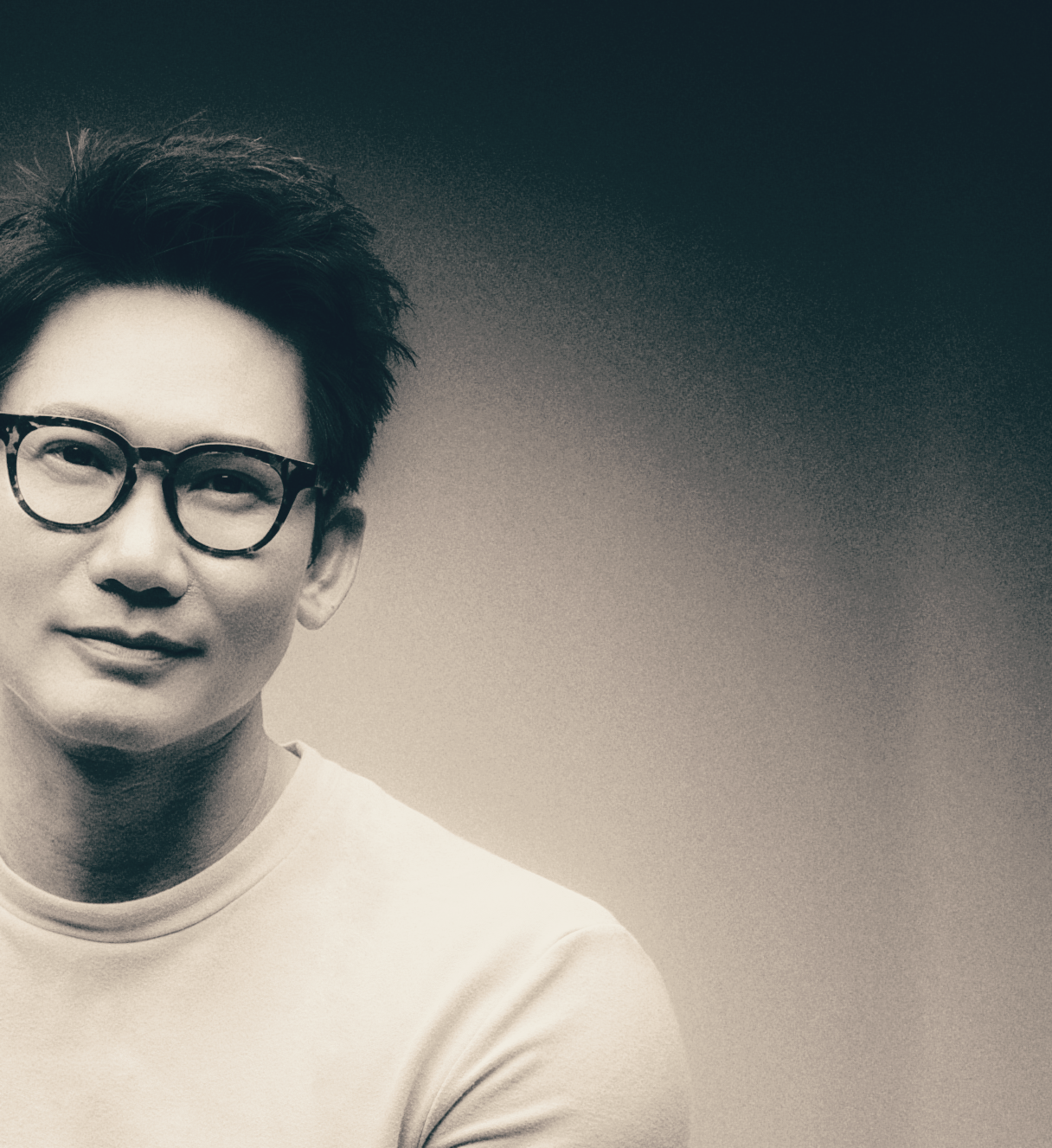
George Chan, MCOU, is a Counsellor, Grief Educator and Breathwork Coach who specialises in helping individuals navigate grief and loss through his private practice, This Is How We Heal. With a rich background in theatre and entertainment, George brings creativity and empathy to his work. When he's not in the therapy room, you might find him performing, choreographing, or working on a new production—or spending time with Luna, his Jack Russell Terrier, who doubles as his unofficial co-therapist and production critic.